Maryland restructured its electric industry in 1999 under the Electric Customer Choice and Competition Act, giving businesses the ability to choose a third‑party supplier for the generation portion of their electricity bill. Utilities such as Baltimore Gas and Electric, Pepco and Delmarva Power still deliver power and maintain lines, but the supply portion is open to competition. This means commercial customers can shop for competitive rates, select fixed‑price or market‑based contracts and choose renewable energy options that meet their sustainability goals.
By comparing offers from Maryland electricity suppliers, companies can lock in pricing, manage risk and reduce energy costs. Suppliers compete to provide value through customized plans, green power packages, and extra services like energy efficiency audits and demand response programs. These competitive options empower businesses to budget confidently and lower utility expenses. Exploring multiple suppliers and their contract terms helps Maryland firms find the best mix of price, service and environmental benefits.
Electricity Rates in Maryland
Find low utility cost with Maryland electric rates when you instantly shop for the lowest MD electricity suppliers today and save money on lower BGE utility bills. Compare your cost of utilities in Maryland with commercial MD electricity rates are low with an instant rate quote.
Compare Maryland Electricity Suppliers

Maryland Electricity Rates
Searches related to Maryland electric
Maryland electric rates per kWh
Maryland electricity market
Maryland electric Cumberland, MD
Maryland electric utility service map
Maryland gas and electric rates
BGE electric rates 2019
BGE electric rates 2020
BGE electric rates 2021
Clearview energy Maryland
Maryland choice program
Maryland commercial electricity rates
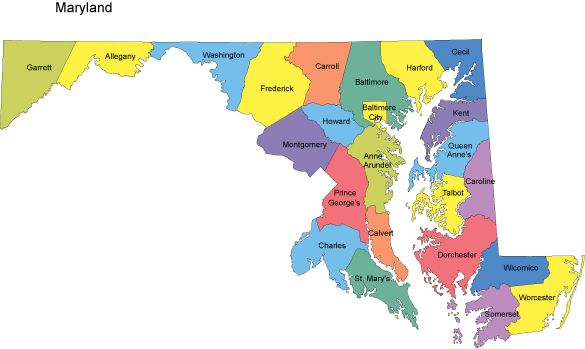
Maryland - Allegheny Power, Baltimore Gas & Electric, Choptank Electric Cooperative, PEPCO, Southern Maryland Electric Cooperative
The State of Maryland Public Utility information, The State of Maryland Electric and Gas Utility Companies :
Allegheny Power (First Energy, PotomacEdison) 1-800-255-3443 Service
1-800-255-3443 Down line or Gas Leak EMERGENCY
Baltimore Gas & Electric 1-877-778-2222 Service
1-800-685-0123 Down line or Gas Leak EMERGENCY
Choptank Electric Cooperative 1-877-892-0001 Service
1-877-892-0001 Down line or Gas Leak EMERGENCY
PEPCO 1-202-833-7500 Service
1-877-737-2662 Down line or Gas Leak EMERGENCY
Southern Maryland Electric Cooperative 1-888-440-3311 Service
1-877-747-6326 Down line or Gas Leak EMERGENCY

Maryland's electricity market is partially deregulated, giving consumers the ability to choose from competitive suppliers for their home or business. Residents can reduce their bills further by upgrading to energy-efficient lighting and appliances, weatherizing their homes, and supporting renewable energy initiatives such as community solar and offshore wind projects. These steps help save money and support Maryland’s clean energy transitio
Maryland's electricity market is partially deregulated, giving consumers and businesses freedom to choose their electric generation supplier. The Electric Customer Choice and Competition Act of 1999 separated the supply portion of the electricity bill from the regulated transmission and distribution delivered by utilities like Baltimore Gas and Electric (BGE), Pepco, Delmarva Power, and Potomac Edison. Under this structure, each utility continues to own and maintain the poles and wires that deliver power to your facility. However, the generation component – typically the largest part of a commercial bill – is open to competition. Dozens of licensed electricity suppliers compete in Maryland to offer a range of contract types, pricing options, renewable energy products and customer service packages. This competition allows companies to shop around for fixed-rate plans to hedge against volatility in wholesale markets, variable or indexed-rate plans to capture lower spot prices, time-of-use programs that incentivize off-peak consumption, and 100% renewable or carbon-free electricity plans to support sustainability commitments. Some suppliers even offer hybrid contracts that blend fixed and variable components or include value-added services like energy audits, bill management and demand forecasting.
When evaluating Maryland electricity supplier offers, commercial buyers should examine not just the advertised price per kilowatt-hour but also underlying terms such as contract length, termination provisions, pass-through charges, bandwidth clauses and early termination fees. It is also important to request supplier historical pricing, credit requirements and references. Businesses with multiple sites or complex load profiles may benefit from engaging an energy broker or consultant to develop a competitive request for proposals (RFP) and negotiate favorable contract language. Maryland’s Public Service Commission maintains a list of licensed suppliers and enforces consumer protections through its Consumer Affairs Division. The commission also publishes complaint statistics and requires suppliers to disclose contract terms clearly so that customers can make informed decisions.
For businesses that prefer not to shop for a supplier, utilities continue to provide a Standard Offer Service (SOS) or “default service.” Under SOS, utilities procure power through competitive auctions overseen by the PSC, and the resulting rate is passed through to customers without markup. SOS rates change seasonally for small commercial customers and monthly for larger non-residential accounts, reflecting wholesale market conditions. While SOS can serve as a benchmark (“price to compare”), long-term energy buyers often choose third-party suppliers to lock in a budget and align procurement with their risk tolerance and sustainability goals. For example, a manufacturing plant may elect a 24-month fixed price contract to stabilize operating costs, while a data center pursuing a renewable energy mandate may choose a supplier that provides power matched with certified Maryland Tier 1 renewable energy certificates or regional wind RECs.
In addition to shopping for supply, Maryland businesses can significantly lower utility expenses through energy efficiency and load management. The EmPOWER Maryland program, administered by utilities under oversight of the PSC, offers rebates and incentives for a wide variety of measures including LED lighting retrofits, high-efficiency HVAC equipment, building automation systems, variable frequency drives, refrigeration upgrades, compressed air system improvements and custom projects. Participation in these programs can reduce project payback periods and improve cash flow. Many utilities provide free energy assessments and engineering support to identify opportunities. Commercial customers may also tap into tax credits and deductions at the state and federal level for qualifying efficiency investments.
Demand response is another valuable tool for reducing energy costs in Maryland’s deregulated market. Programs offered through PJM Interconnection and local utilities pay businesses to curtail electricity consumption during periods of high demand or grid stress. Examples include PJM’s Economic Demand Response and capacity market programs, which require participants to commit to load reductions when notified, and utility-administered peak shaving programs like BGE’s PeakRewards or Pepco’s Energy Wise Rewards for commercial customers. By adjusting operations, shifting non-critical processes to off-peak periods, or utilizing on-site generation such as backup generators or battery storage, companies can earn capacity payments and reduce peak demand charges on their bills. Aggregators and curtailment service providers can help manage enrollment and dispatch obligations.
Many Maryland businesses are also exploring distributed energy resources to further hedge costs and support sustainability objectives. On-site solar photovoltaic systems can offset utility purchases, and the state’s generous net metering rules allow excess generation to be credited at the full retail rate. Maryland’s community solar pilot program enables businesses without suitable rooftops to subscribe to offsite solar arrays and receive bill credits based on their subscription share. The state also supports renewable energy through the Maryland Renewable Energy Portfolio Standard, which requires electricity suppliers to source an increasing percentage of their sales from Tier 1 renewable resources such as wind, solar, geothermal, hydropower and qualifying biomass. Suppliers must acquire Solar Renewable Energy Credits (SRECs) to meet the solar carve-out, offering additional revenue streams for solar project owners.
Financing clean energy improvements is increasingly accessible in Maryland. The Commercial Property Assessed Clean Energy (C-PACE) program allows commercial property owners to finance energy efficiency, renewable energy and resiliency projects through a voluntary assessment on the property tax bill. C-PACE can cover up to 100% of eligible project costs with repayment terms of up to 20 or 30 years, and the financing obligation remains with the property even if ownership changes. This mechanism frees up capital and aligns repayment with the project’s energy savings. Additionally, the Maryland Energy Administration and Maryland Clean Energy Center administer grant and loan programs for clean energy technologies, and utilities offer on-bill financing or zero-interest loans for certain efficiency measures. Businesses can also leverage federal incentives such as the Investment Tax Credit (ITC) for solar and energy storage, accelerated depreciation, and upcoming tax credits under the Inflation Reduction Act for clean electricity.
To maximize savings and sustainability outcomes, Maryland firms should take a holistic approach that combines supplier choice with efficiency upgrades, demand management and on-site renewable generation. Conducting an energy audit and developing a strategic energy plan can identify the most cost-effective combination of measures. Engage internal stakeholders from finance, facilities and sustainability departments to set goals and evaluate proposals. Where expertise is limited, partner with qualified energy consultants or energy service companies to design and implement solutions. With its competitive electricity market, supportive regulatory environment and robust incentive programs, Maryland offers companies significant opportunities to reduce energy expenses, mitigate market risk and advance environmental commitments.
Ready to explore your options? Use the Compare Maryland Electricity Rates tool below to request quotes from multiple suppliers and start saving today.
n.
Maryland was among the early adopters of electric deregulation when the Electric Customer Choice and Competition Act went into effect in 1999. The legislation separated the supply portion of customers' bills from the regulated distribution service provided by utilities such as Baltimore Gas and Electric (BGE), Pepco and Delmarva Power. These utilities continue to deliver power and maintain the poles and wires, but generation service is now competitive. The Maryland Public Service Commission (PSC) licenses dozens of third‑party suppliers that offer generation service at rates and contract terms independent from the utilities' Standard Offer Service (SOS). Businesses that remain on SOS pay a rate that changes annually or semi‑annually based on competitive procurement auctions conducted by the utilities, whereas those who shop for suppliers can lock in multi‑year fixed rates, choose market‑based variable pricing or select plans with renewable energy content.
Because supply charges typically account for more than half of a commercial electric bill, choosing the right supplier can materially reduce operating expenses. Suppliers in Maryland offer a variety of products tailored to the needs of commercial and industrial customers. Fixed‑price plans provide price certainty over one to three years and protect against market volatility, while variable or index products track wholesale prices and can yield savings when energy markets are soft. Time‑of‑use contracts encourage businesses to shift usage to off‑peak hours by offering lower rates during nights and weekends. Many suppliers also provide 100 % renewable energy plans that source electricity from regional wind and solar projects, allowing companies to demonstrate environmental leadership without investing in on‑site generation. When evaluating offers, it’s important to compare not just the advertised energy price but also capacity and transmission charges, ancillary services, taxes and fees, and to review contract terms for automatic renewal clauses and early termination penalties.
Maryland businesses can boost the financial benefits of deregulation by participating in the state’s energy efficiency programs. The EmPOWER Maryland initiative—administered by utilities in coordination with the PSC—offers rebates, grants and technical assistance for upgrades that reduce electricity consumption. Baltimore Gas and Electric’s Smart Energy Savers Program provides incentives for high‑efficiency lighting, HVAC equipment, variable frequency drives, refrigeration, data center improvements and custom measures, along with no‑cost energy audits for small businesses. Pepco and Delmarva Power offer similar commercial programs that can cover 30 % to 70 % of project costs, and the state’s Department of Housing and Community Development administers the Maryland Energy Efficiency Grant Program for non‑profits and public entities. By reducing load through efficiency improvements, companies can lower both their utility delivery charges and the amount of energy they need to purchase from suppliers.
Demand response and load management opportunities further enhance savings for Maryland companies. As part of the PJM Interconnection regional grid, Maryland participates in capacity and energy markets that reward consumers for curtailing consumption during periods of high demand or grid stress. Curtailment Service Providers (CSPs) aggregate commercial customers into demand response portfolios and bid them into PJM’s capacity and energy markets; participants receive payments for their committed reductions and may also save on capacity charges in their supply contracts. BGE’s Smart Energy Rewards program, Pepco’s Peak Energy Savings Credit and Delmarva Power’s Beat the Peak program offer additional bill credits for reducing usage during critical peak events. For businesses with flexible operations—such as manufacturing, data centers or cold storage—demand response can provide a recurring revenue stream and support grid reliability.
Maryland’s policy framework also encourages investment in renewable energy and distributed generation. The state has a Renewable Portfolio Standard that requires 50 % of electricity sales to come from Tier 1 renewable sources by 2030, including a carve‑out for solar energy. Commercial customers can purchase renewable energy certificates (RECs) to support this mandate or contract directly with suppliers that source renewable generation. Companies with suitable rooftops, parking lots or land can install solar panels and benefit from net metering, which credits excess generation against consumption at the full retail rate. Maryland offers Solar Renewable Energy Credits (SRECs) for every megawatt‑hour of solar produced, which can be sold on the open market to utilities and suppliers seeking compliance. The state’s Community Solar Pilot Program allows businesses to subscribe to shared solar projects and receive bill credits without installing panels on their premises, making renewable energy accessible for tenants or those lacking roof space.
For financing energy projects, Maryland offers an array of options. The Commercial Property Assessed Clean Energy (C‑PACE) program allows property owners to finance energy efficiency, renewable energy and resilience improvements through a long‑term special assessment on their property tax bill, with terms up to 20 years. Because the repayment obligation stays with the property, C‑PACE financing does not tie up working capital and can transfer to new owners if the property is sold. The Maryland Clean Energy Center and the Maryland Energy Administration administer additional grants and low‑interest loans for clean energy projects, and utilities offer on‑bill financing for certain upgrades. Combining these incentives with supplier savings can significantly improve the return on investment for retrofits and on‑site generation.
When comparing Maryland electricity suppliers, businesses should request quotes from multiple companies and carefully review each proposal. Ask suppliers for a detailed breakdown of components such as energy price, capacity, transmission, gross receipts tax and administrative fees. Confirm whether the contract includes pass‑through charges that could change over time and check the supplier’s track record with the PSC’s complaint statistics. Consider whether the supplier offers value‑added services like sustainability reporting, carbon offsets, demand response enrollment or energy management tools. Many companies engage brokers or consultants to conduct competitive solicitations, evaluate offers on an apples‑to‑apples basis and negotiate favorable terms. These specialists can help navigate complex contract language and ensure the supplier delivers on its promises.
Staying up to date with Maryland energy policy and regulatory developments will help businesses make informed decisions. The PSC periodically updates consumer protection rules, marketing guidelines and supplier licensing requirements, and PJM adjusts capacity and transmission rates that influence supply prices. Recent legislation such as the Climate Solutions Now Act and proposals to accelerate electrification of transportation and heating could create new programs or incentives in the coming years. By monitoring these changes, companies can align their procurement strategy with emerging opportunities and compliance obligations.
In conclusion, Maryland’s competitive electricity market offers commercial and industrial customers significant flexibility and potential savings. By understanding the distinction between supply and delivery charges, exploring fixed, variable and renewable energy supply options, leveraging EmPOWER Maryland incentives and demand response programs, investing in efficiency and on‑site generation through C‑PACE and other financing tools, and staying attuned to policy changes, businesses can lower their utility bills while supporting the state’s clean energy transition. Click the Energy Rates button below to compare current offers from certified suppliers and take control of your Maryland electricity costs today.