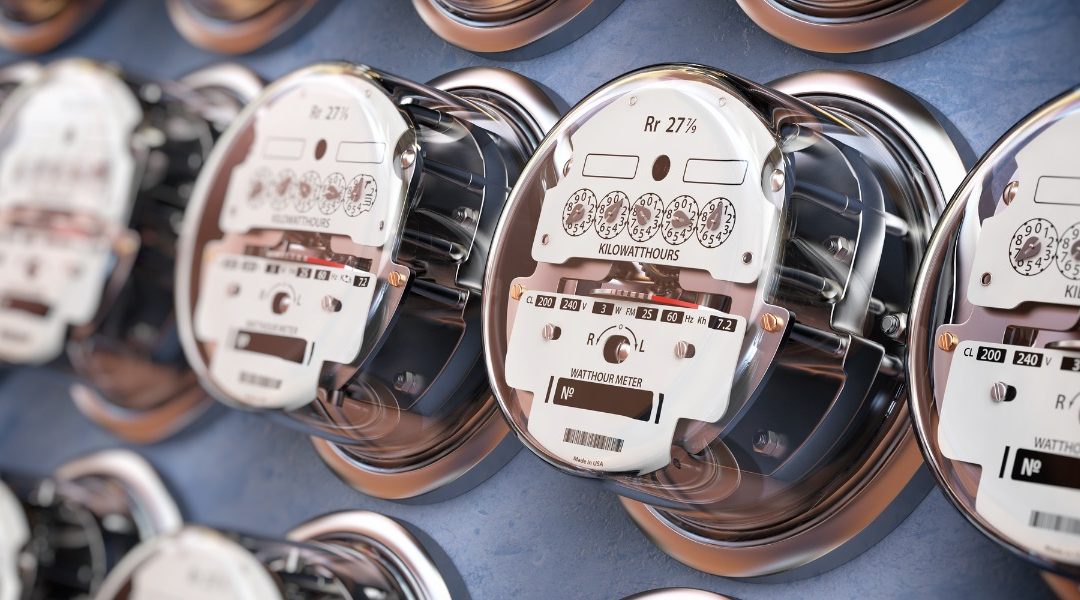
Electricity Rates in Illinois
Find electric rates for Illinois lower utility bills when you shop IL electricity suppliers you save money with energy deregulation in Illinois commercial electric cost of utility is low when you find the lowest rates instantly signup online with any Illinois energy supplier of electric for today's low rates.
Compare Illinois Electricity Suppliers

Illinois Electricity Rates
Searches related to Illinois electricity
Illinois electricity suppliers
alternative retail electric supplier Illinois
Illinois electric rates per kWh
Illinois electricity sources
commercial electric rates Illinois
Ameren Illinois electric rates
Illinois smart meter
Illinois commerce commission
Illinois commercial electricity rates
Illinois - Ameren, Springfield City Water, Light & Power, ComEd, Batavia Municipal Electric
For New Service contact : Commonwealth Edison ComED 1-800-334-7661

Illinois deregulated its electricity market with the Electric Service Customer Choice and Rate Relief Law in 1997, and large commercial customers gained full choice of suppliers by 2002. This legislation separated the supply portion of electric bills from the delivery service provided by utilities like ComEd and Ameren. As a result, businesses can choose a certified retail electric supplier for the generation part of their bill while the local utility continues to handle transmission and distribution. Because supply charges often account for a sizable portion of a commercial electric bill, choosing a third-party supplier gives companies the opportunity to lock in competitive rates and manage risk.
By comparing offers from multiple Illinois electricity suppliers, businesses can take advantage of a competitive market. Suppliers compete for customers with fixed-rate plans, renewable energy packages and customized contracts that align with a company’s budget and energy usage. Competition encourages providers to offer lower prices, better customer service and value-added programs like energy efficiency incentives and demand response services. Shopping for the best terms can help Illinois companies reduce their electricity expenses, gain budget certainty and support sustainability goals. Compare suppliers to see how much your business c
Illinois businesses interested in managing their energy budgets should first understand how deregulation separates the supply and delivery portions of the electricity bill. Utilities like ComEd and Ameren Illinois continue to maintain the poles and wires and charge regulated delivery rates set by the Illinois Commerce Commission (ICC). The supply rate, however, is open to competition from licensed Alternative Retail Electric Suppliers (ARES). ComEd and Ameren procure default supply for customers who do not shop around through auctions overseen by the Illinois Power Agency (IPA), but these "basic electric service" rates can fluctuate with market conditions. By contracting with an ARES, companies can lock in a multi‑year fixed rate, opt for a variable or indexed plan tied to wholesale prices, or choose time‑of‑use pricing that rewards shifting consumption away from peak periods. This flexibility allows businesses to tailor their energy purchases to fit their operational schedules and risk tolerance.
In addition to pricing structures, competitive suppliers offer renewable energy options that can support corporate sustainability goals. Many ARES provide Green‑e certified renewable energy certificates or direct purchases from Illinois wind and solar farms, enabling customers to claim 100 % renewable electricity for marketing and carbon‑reduction reporting. Under Illinois’ Renewable Portfolio Standard, utilities must acquire renewable energy credits, and the IPA’s Adjustable Block Program (Illinois Shines) and Solar for All provide incentives for on‑site solar installations and community solar subscriptions. Businesses with ample roof or land space may install solar arrays and benefit from federal tax credits, state solar renewable energy credit payments, accelerated depreciation and net metering that credits excess generation against their bill. Community solar allows those without suitable property to subscribe to a share of a nearby project and receive bill credits for the output.
Businesses should also evaluate the range of contract lengths and terms available in Illinois’ competitive market. Fixed‑price agreements typically span 12 to 36 months and provide budget certainty, while shorter month‑to‑month contracts may offer lower rates in declining markets but expose customers to volatility. Some suppliers bundle natural gas and electricity for additional discounts, while others provide aggregated purchasing for multi‑site organizations or special rate plans for high load factor industries. It’s important to review contract language for pass‑through charges, automatic renewal provisions, early termination fees and credit requirements. Asking suppliers for a detailed price breakdown—including energy cost per kilowatt‑hour, capacity and transmission charges, and taxes—makes it easier to compare offers accurately.
Illinois commercial customers can take advantage of robust utility energy efficiency programs funded by ratepayer surcharges. ComEd’s Business Energy Efficiency Program and Ameren Illinois’ Business Program offer cash rebates, incentives and technical assistance for upgrading to LED lighting, high‑efficiency HVAC systems, smart thermostats, building automation, refrigeration controls, industrial process improvements and more. These programs often cover 30 % to 70 % of project costs and include free energy assessments to identify savings opportunities. For major capital projects, the programs provide custom incentives based on kilowatt‑hour savings. Smaller facilities can participate in direct install initiatives that provide turnkey lighting and equipment upgrades at little or no upfront cost. Improving efficiency reduces consumption and can lower the size of the supply contract you need from an ARES.
Demand response and load management programs further enhance a business’s ability to manage energy expenses. Customers in ComEd’s service territory, part of the PJM Interconnection regional market, can enroll with Curtailment Service Providers to earn capacity and energy market payments for reducing load during grid emergencies or peak periods. Ameren Illinois customers can participate in Midcontinent Independent System Operator (MISO) demand response programs that pay incentives for curtailing usage during peak demand events. Utilities also offer voluntary programs such as ComEd’s Peak Time Savings and Ameren’s Peak Time Rewards, which provide bill credits for shifting consumption. Participating in these programs can reduce capacity charges in supply contracts and generate new revenue streams.
Another valuable tool for Illinois companies is Property Assessed Clean Energy (PACE) financing, which allows businesses to finance energy efficiency, renewable energy and resiliency upgrades through a voluntary property tax assessment repaid over up to 20 years. Because the repayment obligation is tied to the property rather than the owner, PACE can overcome barriers such as split incentives or limited credit. Numerous counties and municipalities across Illinois have adopted PACE programs, and projects can include HVAC systems, lighting, solar, battery storage, and even seismic or storm‑hardening measures. Businesses should also explore utility on‑bill financing programs and low‑interest loans offered through the Illinois Energy Conservation Authority and the Small Business Development Center.
When comparing electricity suppliers, it pays to consider not only price but also the quality of customer service and value‑added offerings. Some ARES provide online portals with usage analytics, budgeting tools and market intelligence to help customers monitor consumption and identify savings opportunities. Others offer bundled demand response enrollment, energy procurement consulting, sustainability reporting and carbon offsetting services. Many suppliers can structure contracts to include renewable content, demand management and energy efficiency to meet corporate environmental, social and governance (ESG) objectives. Taking the time to request proposals from several suppliers and using a broker or consultant to negotiate terms can yield significant savings and protect your company from hidden fees.
Staying informed about regulatory changes and market trends is essential to making the most of Illinois’ deregulated energy environment. The Illinois Commerce Commission periodically updates rules affecting retail suppliers, such as marketing standards and renewal disclosures, while PJM and MISO adjust capacity and transmission charges that impact supply offers. The Illinois Clean Energy Jobs Act (CEJA) and related legislation aim to accelerate renewable energy development, electrify transportation and enhance energy efficiency, which may introduce new incentives and compliance obligations. Keeping abreast of changes ensures your energy strategy remains aligned with state policy and market dynamics.
To summarise, Illinois’ deregulated electricity market empowers commercial and industrial customers to choose suppliers, pricing structures and renewable options that suit their operations. By understanding the distinction between delivery and supply charges, evaluating contract terms, leveraging energy efficiency and demand response programs, and pursuing financing and renewable energy incentives, companies can significantly reduce energy costs and support sustainability goals. Use the Compare Illinois Electricity Suppliers button below to explore current offers and find the right plan for your business, and consider working with an experienced advisor to navigate the market effectively.
ould save.
Illinois offers a deregulated electricity market that empowers consumers to choose from multiple competitive suppliers. Residents can save on energy bills by shopping for fixed‑rate plans and exploring green energy options. To further reduce consumption, invest in energy‑efficient lighting, ENERGY STAR appliances, proper home insulation, and smart thermostats. Illinois also supports renewable energy growth through community solar programs and net metering for home solar systems. Making informed choices helps lower costs while supporting a cleaner energy future.
