Base Load: Minimizing Constant Electricity Demand for Business Savings
What Is Base Load?
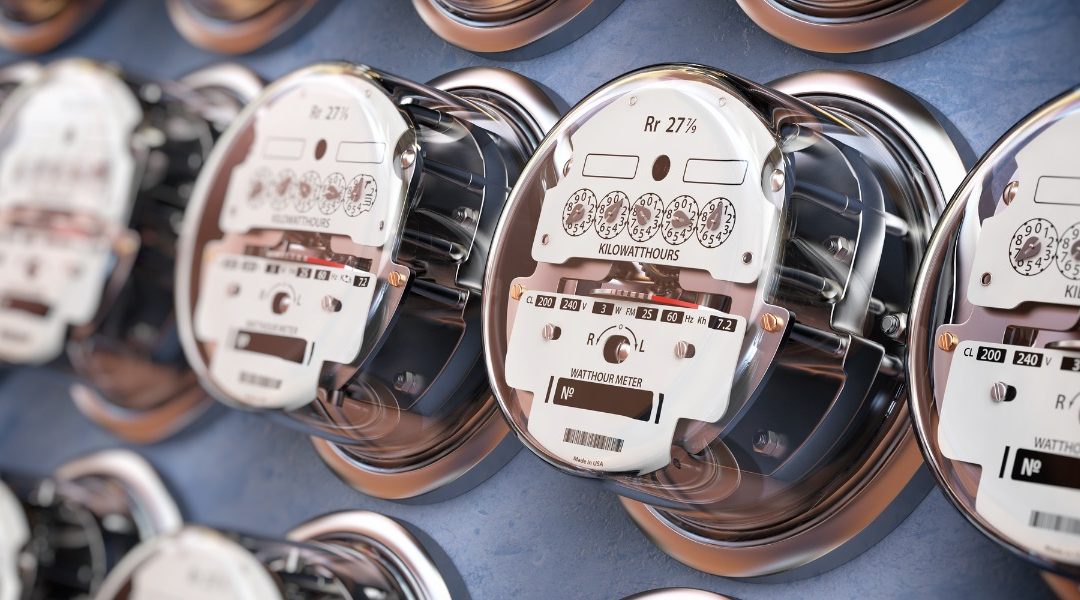
Base load (sometimes written as baseload) refers to the minimum amount of electricity a building or facility consistently uses over a given period, regardless of operational fluctuations. It represents the “always on” energy demand that keeps essential systems running—such as servers, refrigeration, security systems, emergency lighting and HVAC controls—even when the business is closed or production is slow. According to Efficiency Vermont, businesses can often reduce base load by examining what’s always on and cutting unnecessary consumption, since the base load is “the minimum amount of electricity your building needs to operate”【937461689567013†L54-L57】.
While utilities and power plant operators often use the term baseload to describe the steady output required from generators to meet constant customer demand, at the individual business level the concept is about identifying and managing the steady, unavoidable electricity draw that occurs 24/7. Reducing base load translates directly into lower monthly bills because it lowers the starting point from which all additional consumption is measured.
Why Base Load Matters to Businesses
- Fixed cost impact. Because base load is continuous, it contributes to your total kilowatt‑hour (kWh) consumption every hour of the day. Even modest reductions can produce substantial annual savings, particularly for facilities with high energy rates or large square footage.
- Influence on demand charges. Many commercial electricity bills include demand charges based on the highest power draw in a billing period. A high base load raises the overall load profile and can contribute to higher demand charges, especially if base consumption coincides with other equipment running at peak times.
- Environmental footprint. Constant electricity consumption comes with continuous greenhouse‑gas emissions if the power is supplied by fossil‑fuel plants. Lowering base load reduces your carbon footprint, helping meet sustainability goals and potentially qualifying for green certifications or incentives.
- Indicator of inefficiencies. A high base load often points to equipment left running unnecessarily, outdated appliances or poor maintenance. Identifying and addressing these inefficiencies can improve overall operational performance and prolong equipment life.
Components of Base Load
Businesses’ base loads typically include:
- IT and server infrastructure. Data centers, server rooms, network switches and backup systems often run 24/7 to maintain connectivity and data integrity.
- Refrigeration and climate control. Grocery stores, restaurants, laboratories and medical facilities must keep cold storage running at all times. Even office buildings may run HVAC fans, compressors or pumps continuously.
- Lighting and signage. Security lighting, exit signs, illuminated displays or exterior signage may be on around the clock.
- Chargers and power supplies. Cell phone chargers, vending machines, coffee makers and other plug‑in devices draw power even when idle.
- Hidden loads (phantom power). Many electronic devices consume standby power when turned off. Computers, monitors, printers and audiovisual equipment may still draw several watts each unless completely unplugged or switched off at the power strip.
Identifying these elements through an energy audit is the first step toward managing base load.
Strategies to Reduce Base Load
1. Conduct an after‑hours audit
Walk through your facility outside of normal working hours—late at night or early morning—to see what is running. Identify lights, equipment or appliances that are on without any operational need. Document what can be shut down safely without compromising security, product integrity or safety systems.
2. Install smart power strips and timers
Use advanced power strips that automatically cut power to peripheral devices (printers, speakers, chargers) when a central device like a computer is turned off. For signage or decorative lighting, install timers or photocell switches to ensure they only operate during necessary hours.
3. Upgrade to energy‑efficient equipment
Older refrigerators, HVAC units, motors and IT equipment are often less efficient than modern models. Investing in ENERGY STAR–rated or high‑efficiency appliances reduces the power required to maintain the same level of service. The upfront cost may be offset by rebates from utilities or tax incentives.
4. Optimize HVAC operation
- Use setback schedules. Modern thermostats and building management systems can reduce HVAC output during unoccupied periods while maintaining safe temperature and humidity levels.
- Maintain equipment. Regularly clean or replace filters, inspect ductwork and seal leaks. Poorly maintained HVAC systems run longer and use more energy.
- Employ demand‑controlled ventilation. Sensors that measure occupancy or carbon dioxide levels allow ventilation to ramp down when spaces are empty.
5. Consolidate and virtualize IT equipment
Server rooms are major contributors to base load. By consolidating servers, adopting cloud solutions or using virtualization, businesses can reduce the number of physical machines running 24/7. Efficient cooling strategies—such as hot‑aisle/cold‑aisle configurations—also reduce energy use.
6. Implement behavioral changes
Educate staff about the importance of switching off lights and equipment when not in use. Encourage a culture where energy conservation is everyone’s responsibility. Simple practices—like shutting down computers at the end of the day or unplugging chargers—add up over time.
7. Monitor and measure
Install sub‑meters or use smart plugs to track the energy consumption of specific equipment. Continuous monitoring helps verify that efficiency measures are working and highlights any unusual spikes that may indicate a malfunctioning device.
8. Explore renewable and distributed energy
On‑site solar panels, battery storage or combined heat and power (CHP) systems can offset base load by generating electricity or capturing waste heat. While not reducing base consumption directly, they can supply part or all of the base load with cleaner energy at a lower cost.
9. Participate in off‑peak and demand response programs
Many utilities offer programs that reward businesses for shifting or reducing consumption during peak hours. By lowering your base load during critical periods, you can earn credits or lower your demand charges. Even simple actions like pre‑cooling a facility before a peak event can help.
Base Load and Electricity Rate Plans
Businesses with high base loads should pay close attention to the type of electricity plan they select. Fixed‑rate plans provide price certainty but may include higher per‑kWh rates. Time‑of‑use (TOU) or real‑time pricing plans charge less during off‑peak hours; if a significant portion of your base load can be shifted, these plans can yield savings. Some suppliers offer blended contracts that combine fixed and variable components, giving businesses more flexibility. Comparing offers through reputable brokers or marketplaces—such as Bid On Energy’s commercial rate comparison page—helps you understand which plan aligns with your consumption profile.
Real‑World Examples
- Retail chain reducing overnight energy draw. A regional convenience store chain discovered that refrigerators, beverage coolers and exterior lights accounted for more than 60% of its base load. By retrofitting refrigeration units with electronically commutated motors, installing LED lighting with motion sensors and adding automatic night curtains on open coolers, the chain lowered base electricity use by 20% and qualified for utility rebates.
- Manufacturing plant optimizing process schedules. A factory producing plastic components realized that idle conveyor belts, compressors and circulation pumps ran continuously during shift changes and weekends. After a detailed audit, the plant installed variable‑frequency drives and programmed equipment to shut down during idle periods. They also centralized compressed‑air systems to reduce leaks. The result: annual savings of more than $50,000 and lower demand charges.
- Office building addressing IT and lighting. A mid‑sized office building’s base load was dominated by server racks and security lighting. The facility manager moved non‑critical services to a cloud provider, replaced 24/7 lighting with occupancy sensors, and educated tenants on proper shutdown procedures. Sub‑metering showed a 15% reduction in base load within six months.
What Business Owners Need To Know
- Base load is largely under your control. While certain processes must run continuously, many sources of base load are optional or can be optimized. Conduct regular audits to identify unnecessary consumption.
- Investments pay dividends. Upgrading equipment, improving insulation or adopting smart controls may require capital, but the energy savings typically provide a strong return on investment. Look for incentives from utilities or government programs to reduce upfront costs.
- Planning for the future. As electrification of transportation and heating grows, your base load may change. Consider how electric vehicle (EV) charging stations or electric process heating will impact your baseline demand and plan accordingly.
- Align base load reductions with sustainability goals. Lowering constant energy use not only saves money but also supports corporate social responsibility efforts. Publicly reporting reductions in base load can enhance brand reputation and appeal to environmentally conscious customers.
Conclusion
Understanding and managing your base load is a critical aspect of energy management for any business. By identifying the minimum electricity your operations require and implementing strategies to reduce unnecessary consumption, you can lower energy bills, decrease demand charges and improve your sustainability profile. A thorough assessment—coupled with investments in efficient equipment, employee awareness and smart technologies—can unlock significant savings. To see how adjusting your base load and choosing the right energy plan could impact your costs, visit Bid On Energy’s energy‑rates comparison tool and explore competitive commercial electricity options.