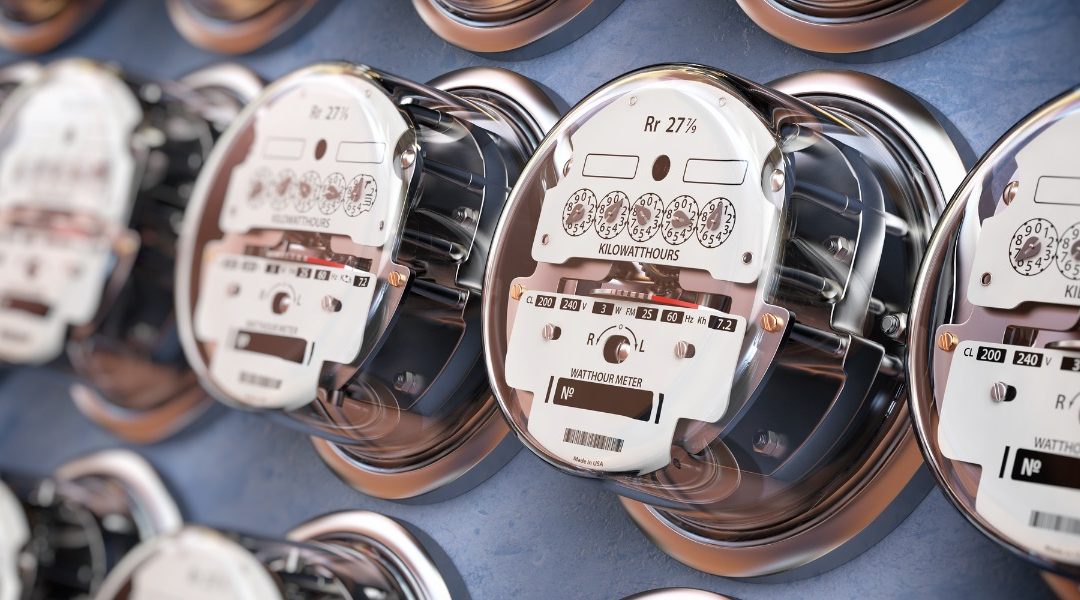

Peak demand refers to the highest amount of power your business draws from the grid during a billing period. Utilities and suppliers use this single maximum demand reading to set your demand charges. Even if you only spike for a brief time, that peak becomes the basis for monthly charges, because the utility must maintain enough capacity to serve you at that level.
When multiple pieces of equipment start at once or production ramps up suddenly, your peak skyrockets. This causes a larger portion of your bill to come from demand charges rather than energy (kWh) charges. To manage costs, stagger equipment start‑ups, shift non‑essential processes to off‑peak hours and use automation or timers to smooth out your usage curve. Lower peaks mean lower demand charges and a smaller overall energy bill.
Want to identify and reduce costly peaks in your facility? Reach out today and we’ll help you design a peak‑demand strategy that saves money.