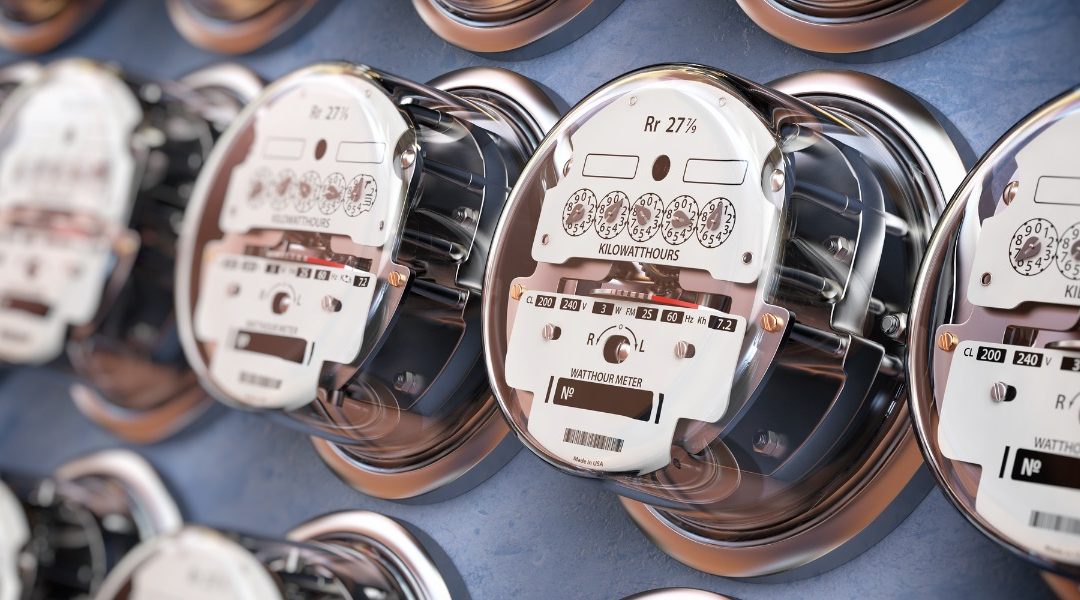
Non‑time‑of‑use (flat) rates charge the same per‑kilowatt‑hour price no matter when electricity is consumed. This simple structure is easy to understand and is well‑suited to businesses with consistent usage patterns that don’t vary much by time of day.
Time‑of‑use (TOU) rates, on the other hand, vary depending on when electricity is used. Utilities divide the day into on‑peak, shoulder and off‑peak periods based on typical demand patterns. Electricity consumed during on‑peak hours—often midday and early evening—is billed at a higher rate, while electricity used during off‑peak hours, such as overnight or on weekends, is billed at a lower rate.
By shifting operations to off‑peak periods, businesses can take advantage of the lower prices offered under TOU tariffs. However, TOU plans require more attention to scheduling and may not be ideal for companies with inflexible production schedules or round‑the‑clock operations.
In summary, non‑TOU plans offer simplicity and rate stability, while TOU plans reward businesses that can manage when they use electricity.